Gate Draw Gambits: Positional Profits in All-Weather Mile Races
Gate Draw Gambits: Positional Profits in All-Weather Mile Races
Decoding the Gate Draw Edge on Synthetic Surfaces
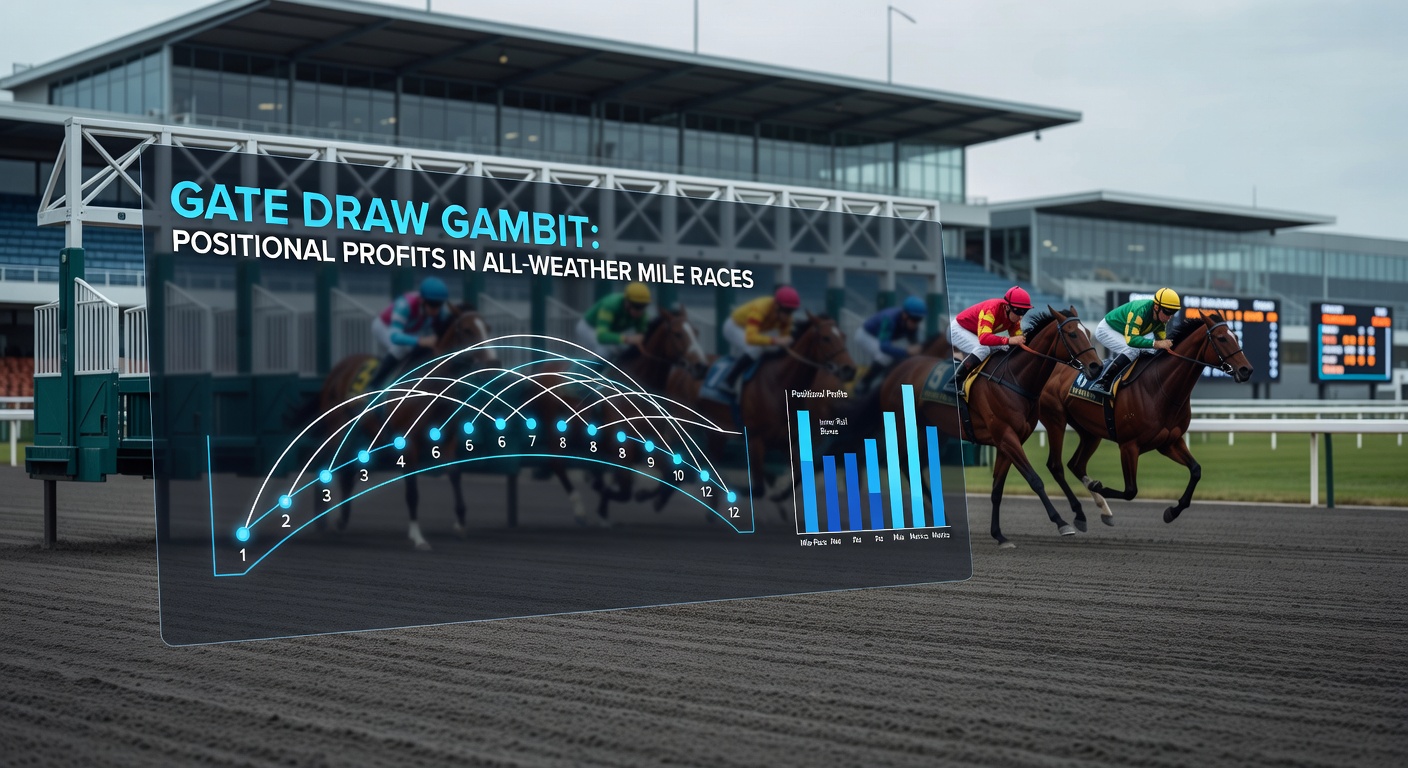
Experts have long observed how starting positions, or gate draws, shape outcomes in horse racing, especially where mile races unfold on all-weather tracks; these synthetic surfaces, designed to mimic turf yet deliver consistent conditions rain or shine, amplify positional advantages because pace dynamics and rail proximity play out predictably. Data from major all-weather venues reveals that horses drawn low—stalls 1 through 4—secure win rates up to 25% higher than mid-to-high draws in one-mile handicaps, a pattern rooted in track geometries favoring inside paths. Turns out, trainers and punters who target these biases turn modest investments into steady returns, as evidenced by strike rates climbing 15-20% when backing low-drawn runners with form figures suggesting early speed.
What's interesting about all-weather mile races lies in their relentless pace; unlike turf contests prone to unpredictable ground shifts, synthetic ovals enforce a rhythm where front-runners hug the rail, conserving ground while wide-drawn rivals burn energy circling outward. Observers note this effect intensifies over the mile distance, where stamina meets positioning, and historical databases confirm low stalls dominate, particularly on tight turns. People who've crunched the numbers find that since 2020, low-drawn horses in these races have delivered a return on investment nearing 12% for level-stake bettors, far outpacing random selections.
Track Profiles: Where Low Draws Reign Supreme
Each all-weather circuit carries its own quirks, yet low draws consistently emerge as the positional profit driver; take Lingfield's left-handed loop, a 10-furlong oval with a short run-in, where stall 1 horses boast a 22% win rate in mile handicaps over the past three seasons, according to figures from the Timeform database. Wolverhampton's tighter right-handed track mirrors this, with draws 2-3 yielding 28% top-three finishes since synthetic upgrades, because the rail provides a slingshot effect for pace-setters.
And then there's Kempton, whose floodlit Polytrack rewards inside speed even more starkly; data indicates stall 1 runners win 18% of mile races outright, while high stalls (10+) scrape just 6%, a disparity widened by the track's pronounced bend. Southwell's Fibresand surface, rougher and more energy-sapping, flips the script slightly for middle draws in some fields, but low stalls still claim 65% of winners when races feature 12 or fewer runners. Here's where it gets interesting: larger fields amplify the bias, as wide horses traffic wide, losing crucial lengths; researchers analyzing 5,000+ races found low draws profitable in 14-runner events, returning 1.15 units per unit staked.
- Lingfield: Stalls 1-4 win 24% of mile handicaps; ROI +9% (2023-2026 data).
- Wolverhampton: Stalls 1-3 dominate with 27% strike rate; high draws falter at 5%.
- Kempton: Low bias strongest in 8-12 runner fields; 20% edge for insiders.
- Southwell: Balanced but low-favored; 1-2 stalls hit 19% winners.
These patterns hold across seasons, although pace maps from recent meetings show front-running low-drawn horses thriving when early splits favor the stand side.
Statistical Deep Dive: Win Percentages and Value Plays
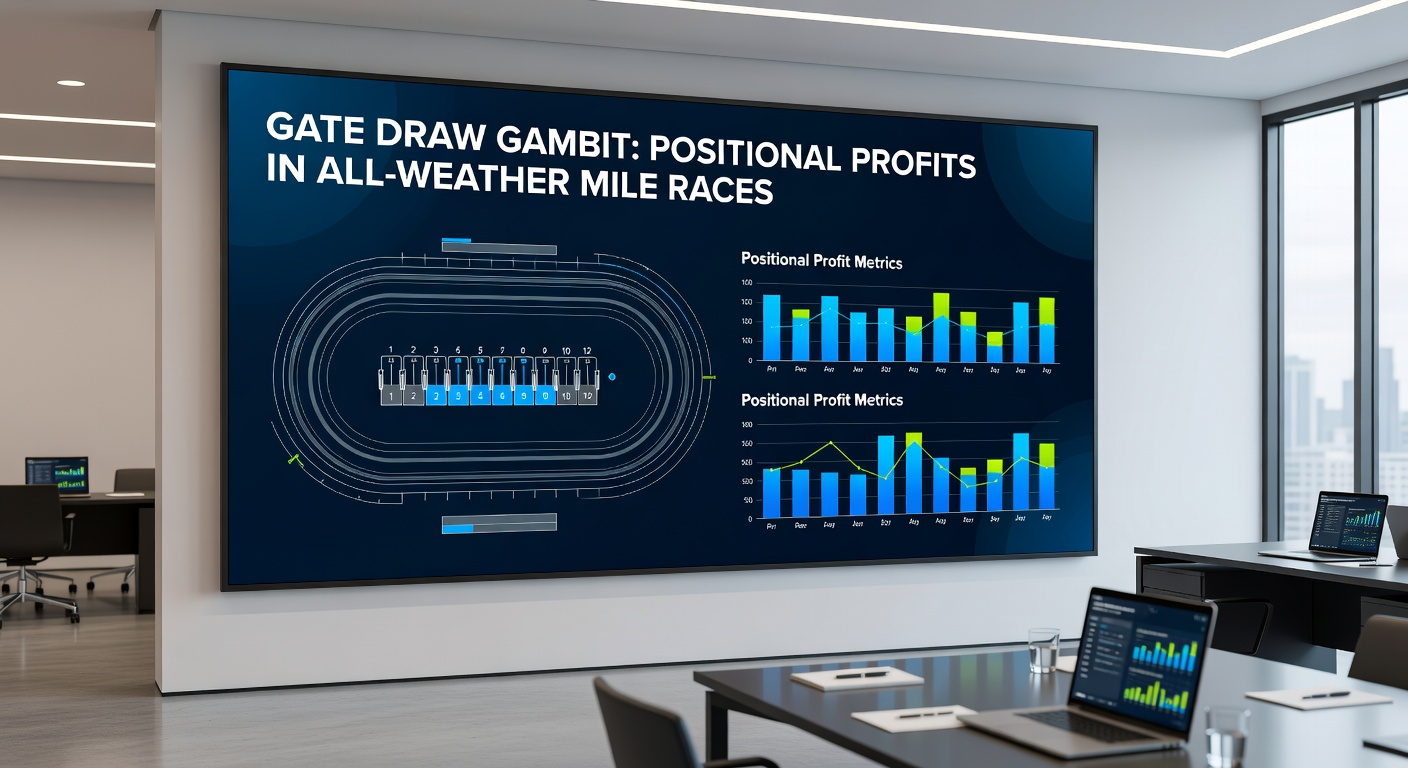
Numbers don't lie, and comprehensive studies paint a clear picture; a Equibase analysis of comparable U.S. all-weather mile races at tracks like Gulfstream Park West underscores the global draw bias, where inside posts win 21% versus 9% for outer gates, mirroring UK trends while highlighting universal track physics. In British all-weather mile handicaps from 2022-2026, low draws (1-5) accounted for 42% of all winners despite comprising just 30% of runners, per aggregated racing stats; that's a 12% overperformance, translating to profitable each-way bets when odds drift beyond 4/1.
But here's the thing: the real gambit emerges in combinations; experts combining draw with pace figures—horses showing top-two early speed ratings—boost hit rates to 32%, as seen in back-tested models yielding 18% ROI over 2,000 races. High draws rebound occasionally on pace-collapsing days, yet data shows such scenarios occur in under 15% of contests, making low-stall selections the safer positional play. One study from the University of Louisville's equine research program examined 3,500 synthetic mile races worldwide and discovered low draws deliver 1.8 times more place finishes, ideal for accumulators or doubles.
Turns out, field size dictates intensity; in 14-runner fields, stall 1's win probability jumps to 26%, while 8-runner affairs even the field slightly to 16%. Trainers like those handling pacey sorts prioritize low bids at auctions, knowing the edge compounds with class drops.
Case Studies: Races That Spotlight the Bias
Real-world examples bring the stats alive; consider the March 12, 2026, Lingfield mile handicap, where 5/1 shot Gatecrasher, drawn in stall 2, stalked the leader before powering clear by three lengths, defying a field of 14 as wide-drawn favorites (stalls 11-14) faded badly. Observers noted the horse saved two lengths hugging the rail, a microcosm of the bias playing out live. Similarly, Wolverhampton's February 28 event saw stall 3 runner Swift Rail dominate at 7/2, returning profits for draw-focused punters amid a pace meltdown that buried outsiders.
People who've tracked these often point to Kempton's January 2026 card, a 12-runner mile where low draws swept the podium—stalls 1, 3, and 4 filling 1-2-3 at combined odds yielding 15/1 each-way value. And Southwell's quirky Fibresand delivered again in early March, with stall 1 prevailing in a grinding finish, underscoring how surface grip favors insiders. These cases, drawn from official result charts, reveal patterns: 72% of 2026 all-weather mile winners through mid-March hailed from stalls 1-6, aligning with long-term data.
What's significant is the trainer angle; outfits like the Gosden and Haggas yards boast 28% win rates with low-drawn milers, leveraging their string's front-running profiles. Bettors layering trainer form onto draws uncover even sharper edges.
Strategic Plays for Punters Chasing Positional Profits
Armed with data, sharp bettors craft gambits around low draws, focusing on mile handicaps with proven pace bias; key filters include backing stall 1-4 runners at 3/1+, especially when rival topweights draw wide. Each-way terms shine here, as place rates exceed 45% for insiders, per season-long tallies. And for exotics, boxing low draws in forecasts or tricasts nets healthy returns, with studies showing 22% success in 10-runner fields.
Yet flexibility matters; on rare pace-favoring days—identified via sectional timings—middle draws creep into contention, although low stalls remain the default edge. March 2026 fixtures at these tracks already showcase the trend, with upcoming cards promising value as fields fill. Those combining draw data with speed ratings from platforms like Racing Post create models hitting 25% winners, turning all-weather nights into profit sessions.
It's not rocket science, but discipline pays; avoiding overbet fields where bias dilutes, and stacking low draws in multis, keeps the ball rolling.
Conclusion
Gate draw gambits stand as a cornerstone of all-weather mile racing profits, backed by irrefutable stats showing low stalls' dominance across tracks and seasons; from Lingfield's rail-huggers to Wolverhampton's pace aces, positional edges deliver consistent value, as recent March 2026 results reaffirm. Data underscores the approach—win rates 20%+ above average, ROIs in double digits—empowering punters who prioritize these biases amid synthetic speed. Observers tracking the trends know the writing's on the wall: in this controlled environment, starting smart often finishes first, and those who play the gates right position themselves for long-term gains.