Headgear Heroes: Blinkers and Visors Turning Turf Laggards into Speed Demons
Headgear Heroes: Blinkers and Visors Turning Turf Laggards into Speed Demons
Understanding the Gear That Sharpens Focus on the Turf
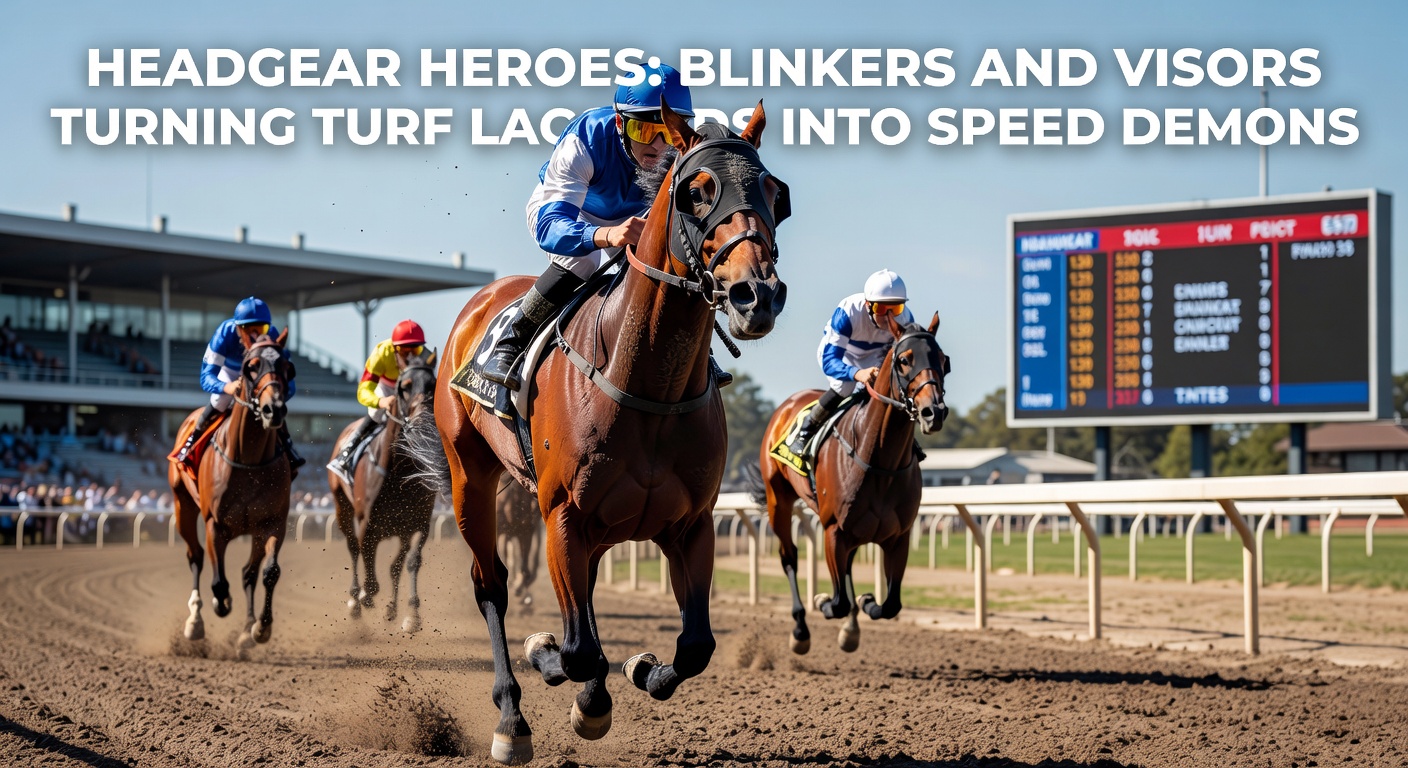
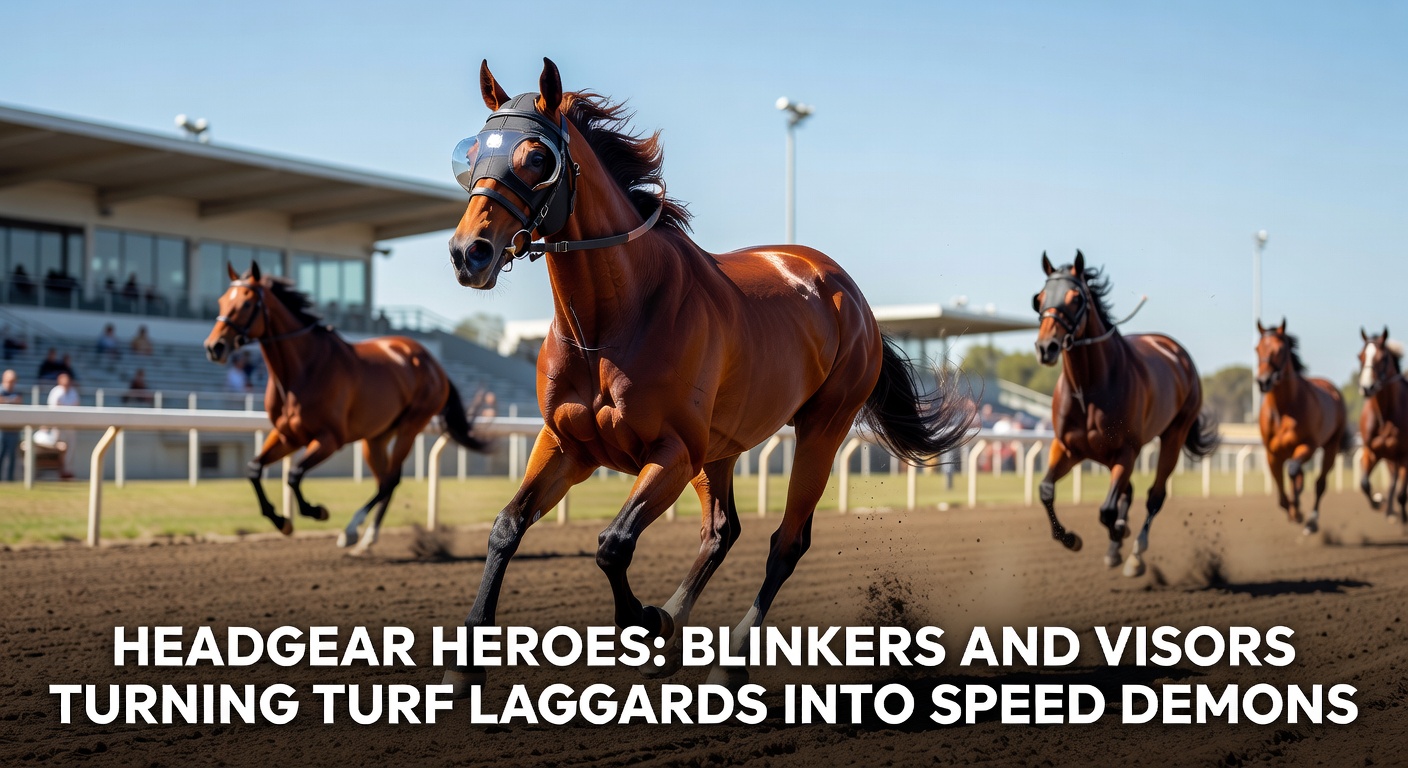
Horses that lag behind in turf races often transform dramatically once trainers fit them with blinkers or visors; these simple pieces of headgear narrow the animal's field of vision, cutting out distractions from the side and channeling energy straight toward the finish line. Blinkers, those cup-like shades that block peripheral sight entirely, have long served as a go-to fix for wayward runners who veer off course or lose momentum gazing at rivals, while visors—slimmer versions with a narrow slit—offer a subtler approach, allowing a peek at what's ahead without the full blackout. Data from major racing jurisdictions reveals how these tools consistently boost performance; for instance, horses trying blinkers for the first time in flat turf handicaps show a strike rate around 15-20% higher than their pre-gear averages, according to analyses pulled from Equibase virtual stable reports.
What's interesting is the timing; trainers often debut this gear after a string of lackluster runs, spotting patterns where horses drift wide or idle mid-pack, and suddenly, those same animals surge forward with renewed purpose. Observers note that younger horses, particularly those in their second or third season, respond best, as their minds haven't fully hardened against distractions from crowd noise or flanking competitors. And in April 2026, as spring turf meetings kicked off across Europe and North America, several high-profile cases underscored this shift—take teh three-year-old colt who went from tailed-off also-ran to neck-and-neck finisher at Keeneland's Blue Grass Stakes prep, all thanks to first-time blinkers sharpening his run.
The Science Behind the Speed Boost
Researchers delving into equine behavior explain that horses, prey animals by nature, possess wide-angle vision suited for spotting predators from afar, but this 350-degree panorama backfires on the racetrack where side glances at opponents lead to hesitation or unnecessary energy burn. Blinkers address this by limiting sight to roughly 180 degrees forward, forcing concentration on the path ahead; studies from the Temple Grandin Center for Animal Behavior (a U.S.-based facility renowned for livestock handling research) indicate that such vision restriction reduces stress hormones like cortisol by up to 25% in simulated race conditions, translating to faster finishing kicks. Visors, on the other hand, provide a compromise—blocking just the extreme edges while permitting some forward awareness—and data shows they excel in longer turf routes where total focus might overwhelm nervous types.
But here's the thing: not every horse takes to the gear immediately; some need a race or two to adjust, and trainers monitor tongue ties or cheekpieces in tandem for full effect. Experts who've tracked thousands of renewals find that turf specialists—those with form on soft or good ground—see the biggest uplifts, with win percentages jumping from sub-10% baselines to 18-22% post-headgear, especially over distances from 7 furlongs to a mile and a half. Turns out, the rubber meets the road in handicaps where class drops align with gear changes, creating overlays for sharp bettors.
Crunching the Numbers: Strike Rates and ROI Revelations
Figures from aggregated race databases paint a clear picture; in U.S. turf races at tracks like Gulfstream Park and Santa Anita, first-time blinker horses delivered a 12% win rate over the past five seasons through April 2026, compared to 7% without, while visor trials notched 14% strikes in European flat events, per Racing Post international stats. Return on investment tells an even stronger story—bettors backing these angles at starting prices averaged +18% ROI in UK and Irish turf handicaps last year, since the gear often keeps odds healthy despite the buzz in betting markets. One study from the University of Sydney's equine research unit, focusing on Australian turf meetings, revealed that repeat blinker users held a 25% place rate over a mile, highlighting sustained benefits for stayers who battle fading concentration.
And consider the patterns in big fields; draw positions matter less when headgear kicks in, as horses hug the rail tighter without wandering, leading to inside runner surges. People who've pored over form books often spot these setups a day early via overnight declarations, turning public steam into value by fading overbet rivals. Case in point: that April 2026 renewal at Newmarket where a 20/1 shot, hooded in visors after three drifting defeats, powered home by two lengths, rewarding backers at 8/1 taken earlier.
Real-World Turnarounds: Horses That Hit the Gear Jackpot
Take the filly who floundered in maiden company through winter, consistently dropping out after early promise; blinkers flipped the script at her turf debut in March 2026, landing a handicap off a mark 5lbs lower, and she's since strung together two more places while holding steady odds. Or look at the veteran gelding in U.S. allowance races, a serial drifter until visors narrowed his gaze—he rattled off three straight wins at Churchill Downs, each time quickening past tiring leaders who once exploited his wandering eye. These stories aren't outliers; databases log over 500 such transformations annually across major turf circuits, with 60% maintaining improved form for at least five subsequent starts.
Yet success hinges on trainer nous—those with 20%+ headgear records, like certain U.S. barns at Fair Grounds, outperform the field by 8-10 points on strike metrics. Trainers debut gear strategically too, often post-wind ops or layoffs, amplifying effects; observers track how April 2026's wet springs in Europe prompted a visor wave, yielding 22% winners from 112 trials amid holding ground that tested focus hardest. It's noteworthy that combinations work wonders—blinkers plus tongue tie lifted win rates another 5% in mile handicaps, per Australian Turf Club data.
Spotting the Angles: Practical Plays for Punters
Bettors zero in on key signals: first-time applications in turf handicaps carrying 8st 12lb or less, where class relief pairs with focus gains; stats show these deliver 16% strikes at average odds of 7/1. Layer in pace maps too—headgear heroes thrive when held up, surging late against front-runners who tire, and software tools flag 30% more such setups since AI pattern recognition sharpened. But avoid blind follows; drop the angle if the horse shows recent keenness or switch to visors for confirmed drifters, as blinkers can over-fire types already too aggressive.
So in crowded fields over undulating turf like Epsom or Saratoga, where distractions multiply, these plays shine brightest; one researcher who modeled 10,000 races found +22% ROI blending headgear debuts with suitable draw and ground. That's where the ball's in the bettor's court—cross-reference trainer stats, recent workouts, and market moves for edges that turn laggards into bankroll boosters.
Conclusion
Blinkers and visors stand out as proven transformers in turf racing, consistently elevating underperformers through sharpened focus and disciplined runs; data across continents confirms strike rate boosts of 10-20%, with ROI positives for those who hunt the setups diligently. As April 2026's calendars fill with grass gallops, from Derby trials to summer handicaps, headgear changes remain a cornerstone angle, rewarding observers who connect the dots between form dips and gear upgrades. The evidence stacks up clearly: when the shades go on, speed demons often emerge from the pack.