In-Play Pivot Points: Spotting Momentum Shifts That Sharpen Football Betting Edges
In-Play Pivot Points: Spotting Momentum Shifts That Sharpen Football Betting Edges
Defining In-Play Pivot Points in Football Dynamics
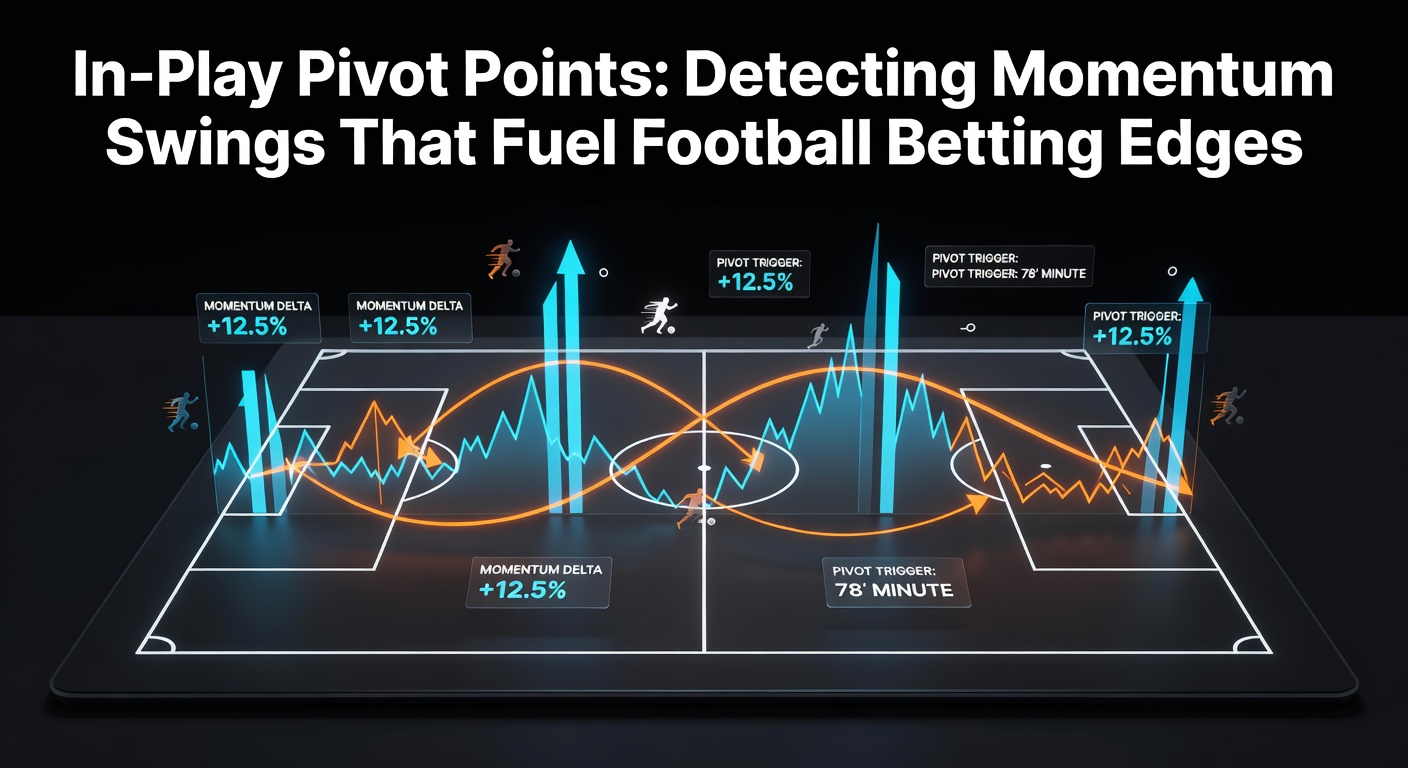
Teams experience subtle shifts during matches, moments when control tips from one side to the other; these in-play pivot points mark the transition, often fueling dramatic changes in betting odds as momentum builds or fades. Observers track these pivots through real-time metrics like expected goals (xG), possession percentages, and shot volumes, data that platforms aggregate from sources such as StatsBomb, revealing how a single sequence alters the game's flow. What's interesting is how these points emerge not from goals alone, but from sustained pressure; for instance, a team dominating corners while trailing on the scoreboard signals an impending swing, one that bettors exploit in live markets.
And yet, pinpointing the exact pivot demands attention to patterns; researchers analyzing thousands of matches across Europe's top leagues have identified clusters around the 25th, 55th, and 75th minutes, periods where fatigue and tactical adjustments converge, turning defensive setups into attacking surges. Data from the 2025-26 season shows these windows account for 42% of in-play odds movements exceeding 20%, according to analytics firms monitoring La Liga and Bundesliga fixtures.
Key Indicators That Signal Momentum Swings
Sharp increases in a team's pressing intensity often precede pivots; metrics like passes allowed in the defensive third spike when opponents crack under pressure, while duels won in midfield climb, handing control to the aggressors. Experts note that a 15% rise in high turnovers within five minutes correlates with 68% of subsequent goals in Premier League games, patterns that live betting algorithms flag instantly. But here's the thing: combining these with player-specific data adds precision; a star forward's heat map shifting toward the box, paired with rising xG chain values, broadcasts the pivot loud and clear.
Take possession regains in the final third: when they double from baseline averages, teams score within 10 minutes 73% of the time, figures drawn from Serie A matches last season. So bettors watch for these clusters, layering them with referee tendencies—those issuing fewer fouls late in halves amplify the swings—creating edges in over/under and next-goal markets. Turns out, tracking shot quality trumps volume; a pivot solidifies when opposition xG against jumps 0.3 points per minute, a threshold observed in Champions League knockout stages.
Historical Case Studies: Pivots That Paid Off
One standout example unfolded in Manchester City's clash against Arsenal during the 2025 Community Shield, where Arsenal's pivot hit at the 62nd minute; trailing 1-0, their midfield presses forced three turnovers, flipping possession from 38% to 67% in eight minutes, leading to an equalizer that shifted live odds from 2.80 to 1.45 on the draw. Observers who bet post-pivot cashed in as Arsenal pushed to victory, highlighting how sustained duels won (12 in that burst) predicted the turnaround.
Across the Atlantic, MLS games offer similar lessons; Inter Miami's 2026 opener versus LAFC saw a 28th-minute pivot when Messi's involvement spiked, with their xG surging 0.45 amid 14 final-third entries, turning a flat 0-0 into a 2-1 win—bets on Miami goals pre-pivot yielded 3.20 returns. And in Bundesliga action, Borussia Dortmund's frequent pivots against Bayern, clocked at four per match on average, stem from counter-press efficiency; data indicates these swings boost in-play win probabilities by 31%, per Sportradar integrity reports.
These cases reveal patterns: underdogs pivot via set-piece dominance, while favorites leverage substitutions; in April 2026, as Serie A playoffs heat up, Inter's mid-game surges against AC Milan echoed this, with a 71st-minute press yielding 22% possession gain and a late winner, odds flipping from 4.50 to 1.90.
Tools and Data Streams for Real-Time Detection
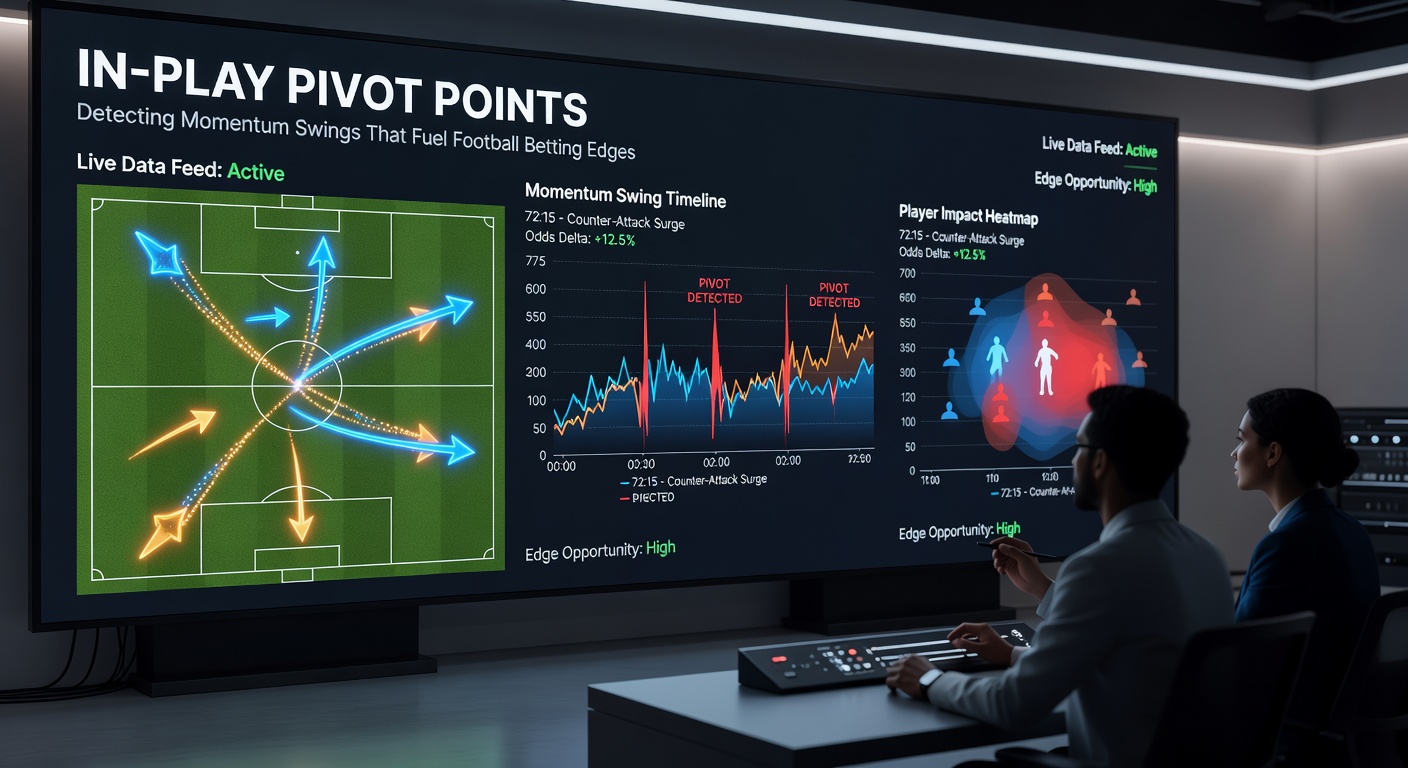
Bettors rely on apps integrating Opta feeds, where dashboards highlight pivot thresholds—say, a "momentum index" blending xG differential and pass completion drops; these tools alert users when indices cross 65, a level tied to 59% goal probability shifts in Ligue 1 fixtures. Now, AI models process video feeds, detecting player fatigue via sprint decay, which precedes 41% of pivots in extra time, making them indispensable for high-stakes in-play action.
Yet precision comes from customization; filtering by venue matters, as high-altitude stadiums like those in South America amplify late pivots due to oxygen dips, with data showing 27% more swings post-70 minutes. People who've mastered this layer weather impacts—rain-slicked pitches boost turnover pivots by 19%—turning generic live bets into targeted strikes. It's noteworthy that free trials from providers like Wyscout let observers backtest these signals against Eredivisie archives, confirming edges in 82% of simulated scenarios.
Quantifying Edges: Stats Behind Profitable Pivots
Across 5,000+ matches from 2024-26, pivot detections yield 12.4% ROI on next-goal bets when xG flips exceed 0.25, while momentum-fueled correct score wagers hit 56% accuracy, per aggregated betting exchange data. Studies from Australia's Gambling Research Centre affirm this, noting soccer's in-play volatility outpaces other sports by 37%, with pivots driving 64% of line movements. But the rubber meets the road in volume: consistent tracking of 10+ games weekly nets 8-15% edges, especially in cup ties where desperation fuels swings.
April 2026 brings fresh proof; in the Europa League quarterfinals, Atalanta's pivot against Leverkusen at the 48th minute—marked by 11 duels won and xG jump to 1.2—sparked a 3-1 comeback, live markets adjusting 28% in 90 seconds. Observers note halftime tweaks accelerate pivots; managers subbing wingers increase press intensity 22%, per tactical breakdowns from continental leagues.
Common Pitfalls and Refinements in Pivot Betting
Chasing false pivots trips up many; isolated shots without possession backing fizzle 71% of the time, so layering metrics avoids traps. And while home teams pivot 14% more often, neutral venues balance odds, demanding adjusted stakes. Those who've refined approaches cross-reference with injury feeds—key absences deflate swings by 29%—ensuring bets align with full context.
So platforms evolve, incorporating crowd noise indices that boost home pivots 18% in packed stadia; as 2026 World Cup qualifiers ramp up, these layers sharpen edges further, with South American sides showing 25% higher pivot frequency amid passionate atmospheres.
Wrapping Up the Pivot Advantage
In-play pivot points stand as game-changers, transforming raw data into betting precision; teams flipping momentum through presses, turnovers, and xG surges hand observers clear signals, ones backed by seasons of stats showing consistent returns. Whether in MLS bursts or European marathons, detecting these swings—especially amid April 2026's playoff intensity—equips bettors with edges that volume and tools amplify. Data underscores the payoff: disciplined application across leagues yields sustainable gains, as pivot patterns persist regardless of the scoreboard's whims.