Irish National Hunt Winter Campaigns Reveal Trainer Cycle Patterns and Stable Performance Signals
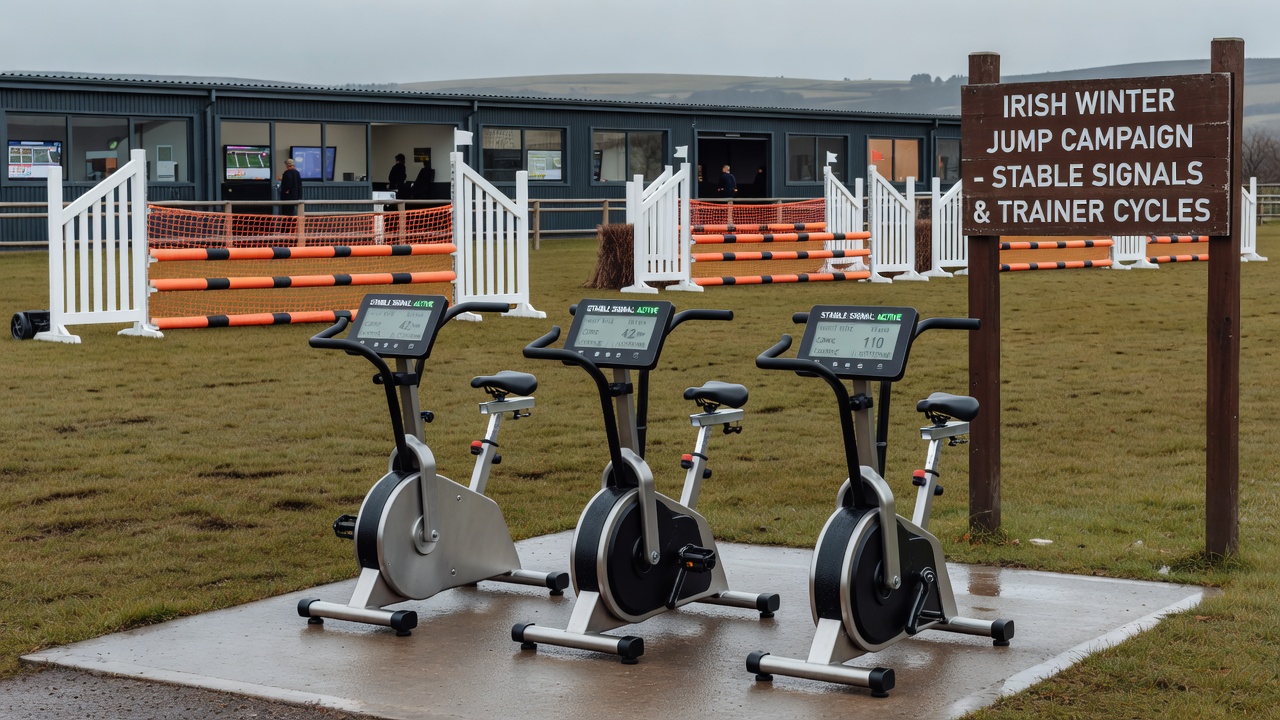 Winter jump racing in Ireland operates under distinct seasonal pressures that shape how trainers manage their yards and how stable form emerges over successive months. Data from Horse Racing Ireland shows that campaigns typically run from November through March when ground conditions range from heavy to testing, and these variables interact with established trainer cycles. Trainers experience recurring periods of elevated strike rates followed by quieter stretches, a pattern documented across multiple seasons at tracks including Leopardstown, Punchestown, and Fairyhouse. Observers note that these cycles often align with the timing of key targets such as the Dublin Racing Festival in early February and the Cheltenham Festival in March. Research indicates that yards sending higher numbers of runners during December frequently record improved win percentages by late January once initial fitness levels stabilize.
Form Cycles Among Leading Irish Yards
Leading trainers display measurable shifts in performance that repeat year after year. Records compiled by industry analysts reveal that certain operations peak during the mid-winter period when softer ground favors staying types, while others maintain steadier output across the entire campaign. One analysis covering the 2023-2025 seasons found that yards with larger string sizes adjusted their runner schedules to coincide with these peaks, resulting in concentrated runs of winners at specific venues.
Stable signals become particularly visible when multiple runners from the same yard compete on the same card. Performance metrics show that when a trainer secures a winner early in a meeting, subsequent runners from that stable post higher place rates in later races on the same day. This pattern holds across both handicap and graded contests, although the effect appears stronger in novice events where first-time runners carry less historical data.
Ground Conditions and Yard Indicators
Irish winter tracks frequently present testing ground that amplifies differences between stables. Figures released by Horse Racing Ireland indicate that yards with strong records on heavy ground during December and January maintain those advantages into February when similar conditions persist. Conversely, operations that excel on better ground tend to reduce their runner numbers until surfaces improve, creating observable gaps in participation rates.
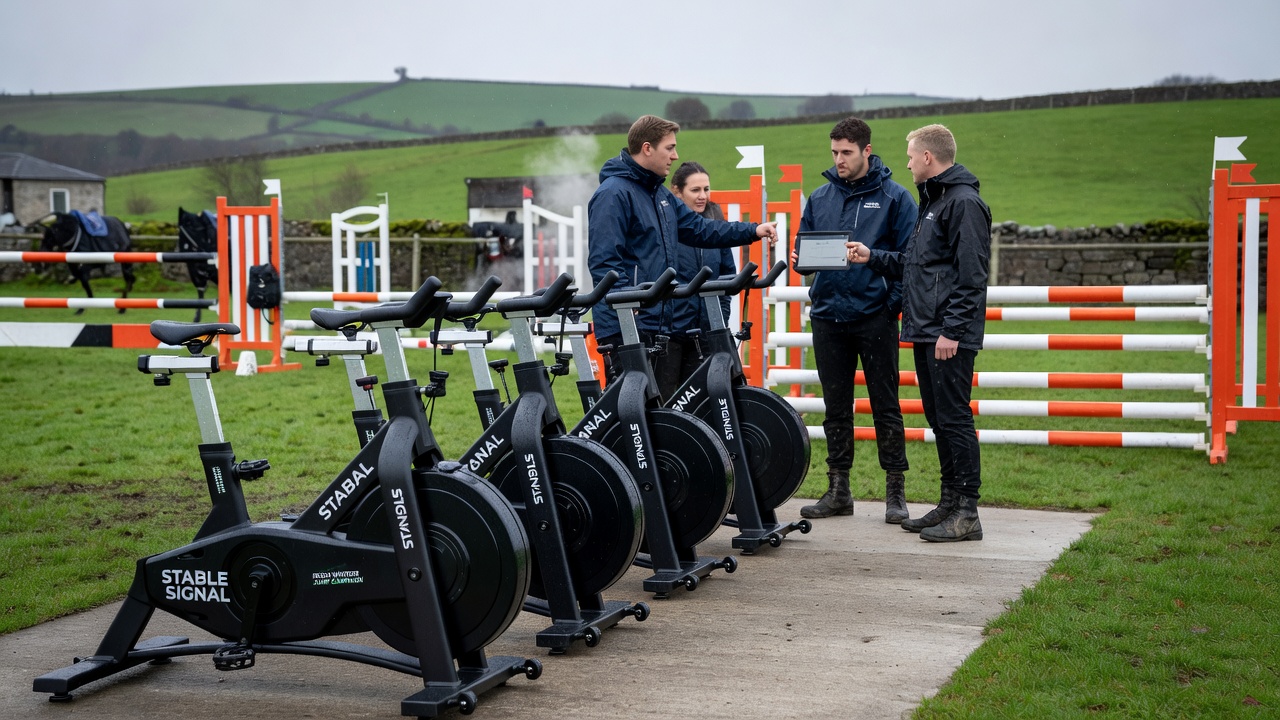
Signals also emerge from the placement of runners in specific race types. Data shows that trainers who target early-season novice hurdles often produce follow-up winners in staying chases later in the campaign, suggesting a deliberate progression through race classes. Those who study entry patterns note that stable confidence appears higher when a yard fields multiple horses in the same contest rather than spreading entries across different meetings.
Seasonal Timing and Performance Trends
July 2026 preparations for the following winter campaign already feature in planning discussions among Irish yards, as entries for major trials begin to take shape. Historical records demonstrate that early indications of cycle strength often appear in October and November maidens, where debut performances provide initial clues about a stable's depth. Trainers who record multiple placed runners in these early contests frequently carry that momentum into the core winter months.
Additional indicators include the distribution of runners across distance categories. Stables that concentrate efforts in staying contests during December and January show elevated success rates in marathon events at tracks such as Navan and Thurles. Performance databases confirm that these yards often reduce shorter-distance entries during the same period, focusing resources where ground conditions and seasonal targets align.
Conclusion
Trainer cycles and stable signals in Irish winter jump campaigns follow observable patterns shaped by ground conditions, race scheduling, and seasonal targets. Records maintained by Horse Racing Ireland and supporting industry analyses continue to document these trends across successive campaigns, offering structured data on how yards operate during the November to March window. These elements combine to create measurable indicators that recur under similar conditions each winter.