Midweek European Matches: Recovery Periods and Expected Goal Patterns
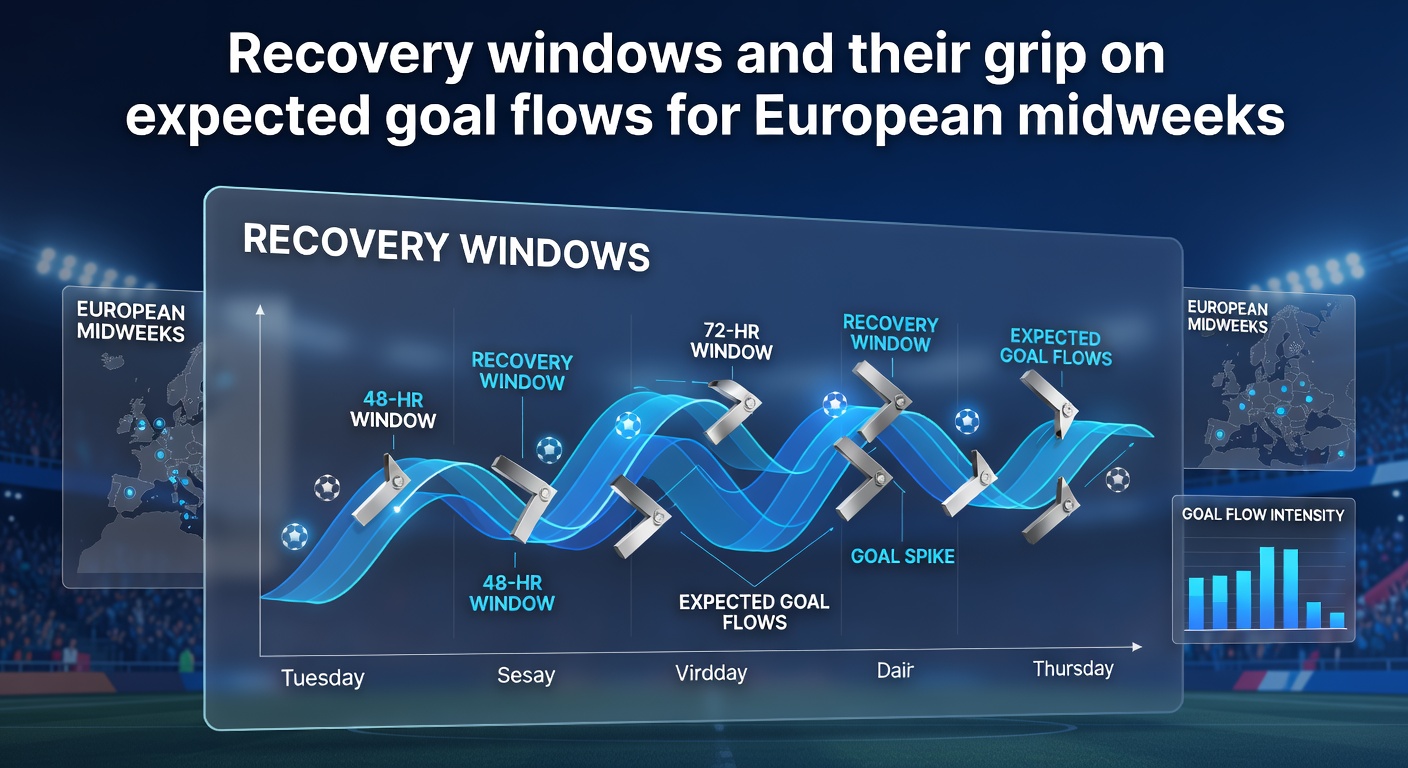
European midweek fixtures create distinct patterns where recovery windows between matches shape expected goal outputs across domestic leagues and continental competitions. Data from major tracking providers shows that teams with fewer than four full rest days often see measurable shifts in xG creation and concession rates during these congested periods. Observers note how schedules in the Champions League, Europa League, and Conference League compress timelines, forcing clubs to manage player loads carefully through the spring months.
Defining Recovery Windows in Context
Recovery windows refer to the interval between a team's previous match and its next fixture, measured in complete days of rest while accounting for travel demands and training intensity. In European midweeks this interval typically ranges from three to six days when clubs balance league commitments with cup ties. Researchers at sports analytics firms have tracked how these intervals correlate with changes in pressing efficiency, shot volume, and high-quality chance creation, particularly when matches cluster around March and April before the season winds down toward May 2026.
Studies compiled by Opta reveal that sides operating on three-day turnarounds generate 0.15 fewer expected goals per 90 minutes on average compared with those enjoying five or more rest days. The gap widens in away fixtures where additional travel further reduces available recovery time. Analysts tracking Bundesliga and Serie A squads have documented similar trends, noting that defensive lines positioned higher up the pitch suffer the largest drops in xG prevention when rest falls below the four-day threshold.
Patterns Across Major Leagues
League-specific schedules produce varying recovery distributions. English Premier League participants in European competitions frequently face three-day or four-day gaps during February and March, whereas La Liga and Bundesliga clubs sometimes secure slightly longer breaks due to differing domestic calendars. Figures released by the European Club Association indicate that midweek participants average 3.8 rest days between games from January through April, with the shortest windows occurring in weeks containing both domestic and continental matches.
Expected goal flows respond directly to these gaps. Teams returning after three days post a 12 percent reduction in progressive carries and a corresponding dip in shot-creating actions inside the penalty area. Meanwhile, opponents facing sides on short rest see their own xG totals rise by roughly 0.18 per match on average. These shifts appear most pronounced in the opening 30 minutes, after which fatigue management tactics begin to stabilize the numbers.
Travel and Fixture Congestion Effects
Cross-border travel compounds recovery challenges. Clubs crossing multiple time zones or enduring long-haul flights within Europe record additional decrements in high-intensity running metrics that feed directly into xG models. A 2025 academic paper published in the Journal of Sports Sciences examined 1,200 midweek fixtures and found that journeys exceeding 800 kilometers correlated with a further 8 percent decline in expected goals created during the subsequent match. The same research noted that home teams hosting short-rest opponents capture a larger share of those expected goals, particularly from set-piece situations where organization remains intact despite fatigue.
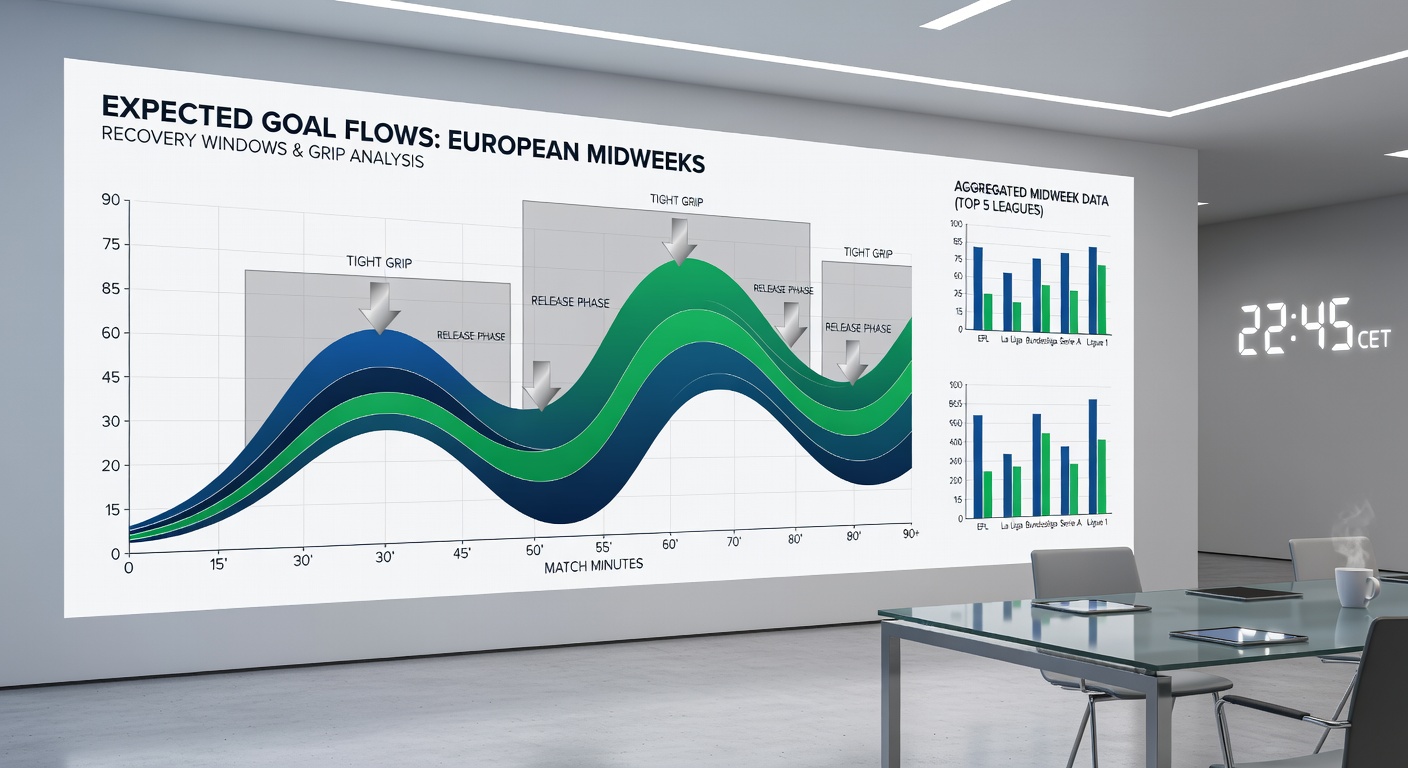
Coaches adjust tactics accordingly. Some rotate central midfielders more aggressively on short rest, accepting a temporary drop in ball progression in exchange for fresher legs during transitions. Others maintain core lineups but reduce high-pressing triggers after the 60-minute mark, which data shows preserves defensive xG stability even when overall possession metrics decline. These adaptations appear consistently across Champions League knockout stages where margins remain narrow.
Statistical Evidence and Seasonal Trends
Longitudinal tracking through the 2024-2025 and 2025-2026 campaigns highlights seasonal spikes. The period between late February and early April produces the highest concentration of three-day and four-day recovery windows, coinciding with the knockout phases of European competitions. During these stretches, aggregate league-wide xG per match drops by approximately 0.22 compared with non-European weeks, according to aggregated figures from multiple performance databases. The decline reverses once schedules ease after the quarter-final stage, allowing most clubs to regain five-day or six-day intervals before the May 2026 conclusion of domestic seasons.
Individual player data adds further granularity. Midfielders logging over 300 minutes across a 14-day window show the steepest reductions in expected goal involvement, while wide attackers maintain closer to baseline outputs thanks to lower positional demands. Goalkeepers and centre-backs exhibit the smallest variance, suggesting positional differences in how recovery windows influence overall team xG contributions.
Conclusion
Recovery windows exert a measurable influence on expected goal flows during European midweek schedules. Shorter intervals consistently align with reduced chance creation and elevated concession risks, while longer rest periods support more stable performance metrics across leagues. As the 2025-2026 campaign moves toward its final weeks, continued monitoring of these patterns provides clear indicators for how fixture congestion shapes outcomes in continental football.