Pace Dynamics Unpacked: Layered Approaches to All-Weather Racing Analysis
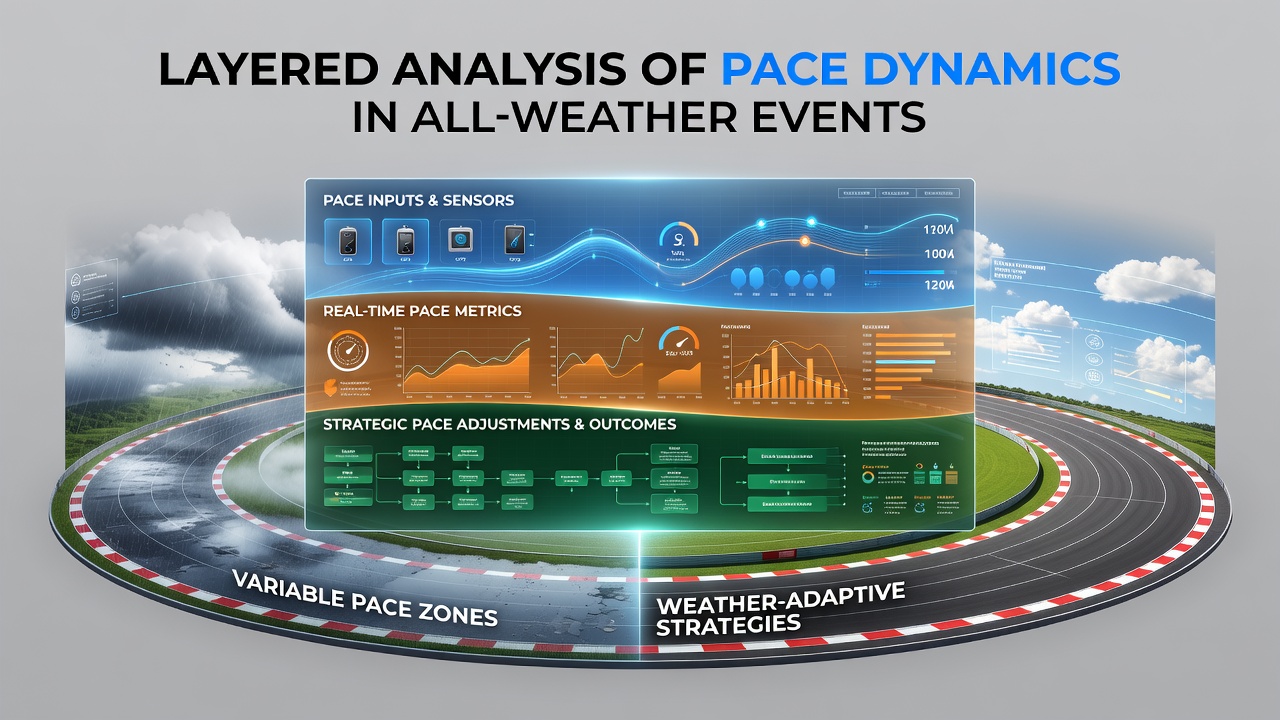
Layered analysis of pace dynamics breaks down race performances into sequential segments on artificial surfaces, allowing observers to identify how early speed, mid-race positioning and late acceleration interact under varying track conditions. All-weather events differ from turf in their consistent cushioning and drainage properties, which influence how horses distribute their energy throughout a contest. Data collected from multiple meetings in early 2026 shows consistent patterns where front-runners maintain higher initial sectional times yet often fade when mid-race pressure increases beyond certain thresholds.
Defining the Layers in Pace Measurement
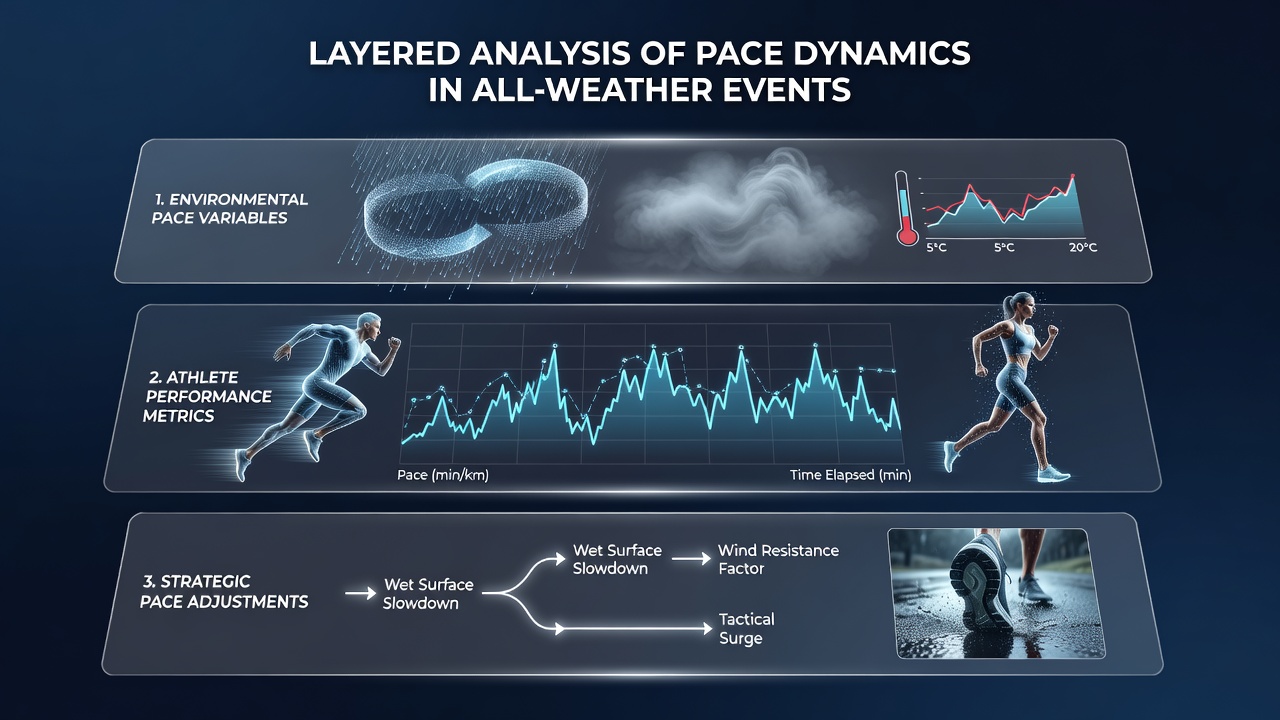
Analysts divide each race into at least three primary layers: the opening furlong burst, the middle third where positioning battles occur, and the final stretch where stamina reserves determine outcomes. Each layer receives separate timing and speed ratings, then those ratings combine into composite profiles that reveal whether a horse prefers to lead, track or close. Studies conducted by university equine research groups indicate that all-weather surfaces produce tighter standard deviations in sectional times compared with grass, because the going rarely changes dramatically during a single card.
Application to Recent Meetings
Events scheduled through June 2026 at several synthetic venues produced datasets that highlight how pace layers shift when temperatures rise and surfaces firm up. One study tracked 87 races and found that horses recording the fastest opening layer won only 18 percent of the time when field sizes exceeded ten runners, whereas those posting balanced middle-layer figures achieved a 34 percent strike rate. Observers note these trends align with earlier findings from North American tracks where similar artificial surfaces operate year-round.
Data Integration Methods
Modern software merges GPS-derived sectional data with historical form to create visual heat maps of pace pressure points. These maps flag races where early leaders set unsustainable tempos, creating opportunities for hold-up runners who conserve energy until the third layer. According to reports published by the Jockey Club, North American all-weather meetings exhibit comparable layering effects, particularly in sprint distances under 1400 metres. European researchers have cross-referenced these figures with local timing systems and confirmed that the same three-layer model applies despite differences in track geometry.
Trainers adjust preparation routines once layered profiles become available for their horses. A runner showing strong middle-layer speed on polytrack surfaces might receive workouts that emphasise sustained cruising rather than pure gate speed. Handicappers meanwhile incorporate the same layers into ratings adjustments, raising or lowering figures when a horse encounters different pace scenarios than in previous starts.
Geographic and Surface Variations
Tracks in Australia and Canada employ their own timing technology yet arrive at similar conclusions when applying layered models. Research teams at Australian universities have documented how deeper synthetic cushions alter the third-layer acceleration phase, forcing horses to expend additional energy earlier than expected. In contrast, North American surfaces with higher wax content tend to preserve late speed, shifting the optimal pace profile toward those who can quicken sharply in the final 400 metres.
June 2026 fixtures incorporated updated sensor arrays that capture stride frequency alongside raw times, adding a fourth micro-layer that measures how efficiently horses transition between each major segment. Initial outputs suggest that horses maintaining consistent stride lengths across the middle two layers outperform those who alter their action dramatically when pace quickens.
Future Refinements and Industry Adoption
Regulatory bodies outside the UK continue to evaluate whether layered pace data should enter official result publications. The Canadian Pari-Mutuel Agency has already trialled public release of sectional breakdowns at select meetings, allowing wider access for performance analysts. Industry groups expect further standardisation once more venues install compatible timing equipment during the 2026 season.
Conclusion
Layered pace analysis supplies a structured framework for understanding how energy distribution affects outcomes on all-weather surfaces. Continued collection of sectional and stride data across multiple regions will refine these models, giving participants clearer pictures of which profiles succeed under specific track and distance conditions. As technology advances, the precision of each layer improves, supporting more accurate performance evaluation without reliance on subjective observation alone.