Packed Schedules and Shifting Team Results in Overlapping Competition Seasons
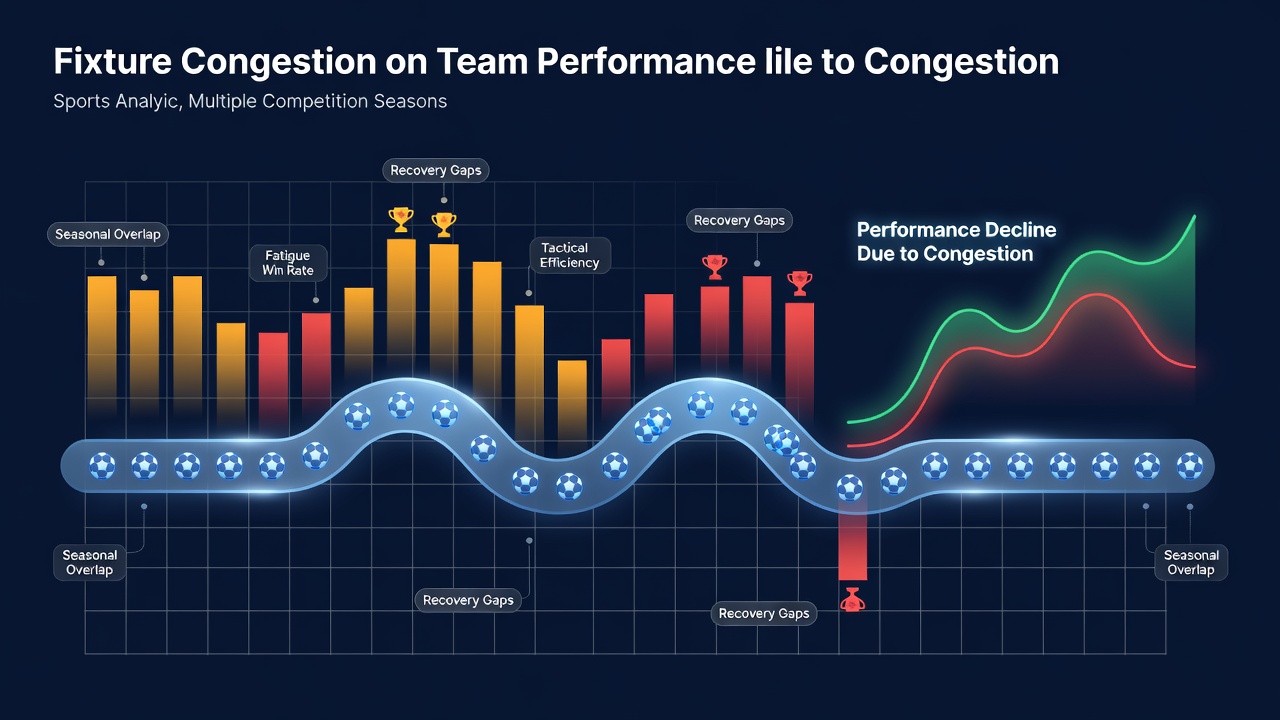 Data from recent seasons shows that clubs balancing domestic leagues with European ties and domestic cups encounter fixture lists exceeding 50 matches per campaign, and analysts track measurable changes in output during those stretches. Researchers at institutions across Europe and Australia have compiled match logs, injury reports, and performance indicators to map how consecutive games without adequate recovery windows influence win rates, goal tallies, and player availability. The patterns emerge most clearly when teams reach the business end of multiple tournaments simultaneously. Observers note that early-season congestion often stems from expanded league formats and additional cup rounds, whereas mid-season spikes arise from rescheduled matches due to weather or broadcast demands. In July 2026, several top divisions will commence campaigns with already congested calendars because of continental qualifiers and international breaks that compress preparation time. Figures from league databases indicate average match intervals drop below four days for squads progressing deep in multiple competitions.
Documented Performance Metrics Across Seasons
Studies tracking elite European clubs reveal that win percentages decline by roughly 8 to 12 percent during periods when teams play three matches in eight days, while goal conversion rates also fall when squad rotation becomes necessary. Australian researchers examining comparable schedules in the A-League and Asian Champions League reported similar drops in expected goals and clean-sheet frequency once cumulative travel and match load exceeded set thresholds. These findings align with data collected by sports science groups monitoring heart-rate recovery and neuromuscular fatigue markers.
Yet not every metric moves in the same direction, since some defensive units maintain tackle success rates even as attacking output wanes. Analysts attribute this variation to tactical adjustments coaches implement once they identify early signs of fatigue in forward lines.
Injury Patterns and Squad Rotation Decisions
Medical staff across multiple leagues record elevated soft-tissue injury incidence when rest periods between fixtures shrink below 72 hours, and hamstring complaints feature prominently in those datasets. One longitudinal review covering five seasons found that midfielders logging the highest minutes across competitions missed subsequent matches at nearly twice the rate of teammates with lighter loads. Clubs therefore rotate personnel more aggressively once calendars intensify, which in turn alters starting line-ups and set-piece routines.
Coaches facing such dilemmas often prioritise domestic league fixtures over secondary cup ties, producing noticeable shifts in team selection that betting markets and performance models attempt to anticipate. Data from the 2024-25 and 2025-26 campaigns illustrates how these choices ripple through squad chemistry and substitute impact statistics.
Case Examples from Recent Campaigns
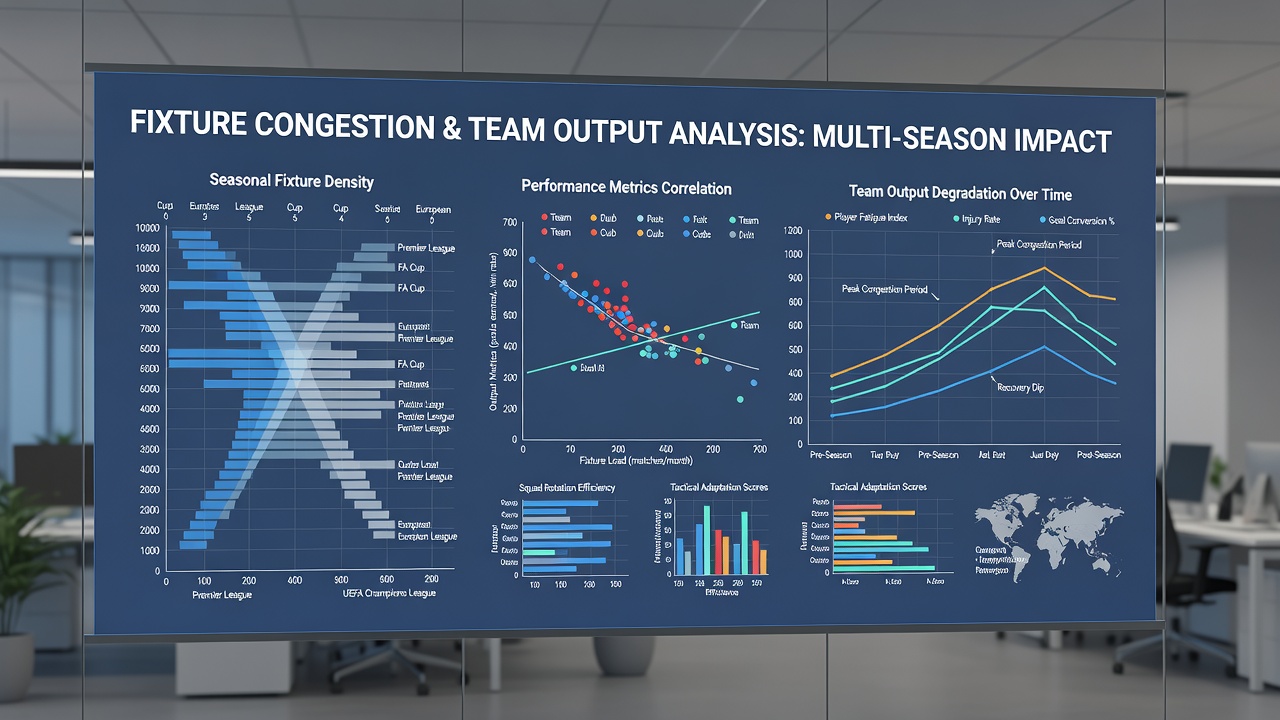
Take one Premier League side that reached the latter stages of both a European group and a domestic cup while maintaining a top-four league position; its points-per-game average dipped from 2.1 to 1.4 across a six-week window containing nine fixtures. Comparable trends appeared in Bundesliga clubs navigating parallel schedules, where goal difference worsened once key attackers accumulated heavy minutes without rest. Researchers cross-referenced these outcomes with GPS-tracked workload figures and confirmed that elevated acute-to-chronic workload ratios preceded the observed declines.
Another illustration comes from South American teams balancing national leagues with Copa Libertadores commitments, where travel demands compound fixture density and produce parallel reductions in second-half scoring output. Observers note that these patterns repeat across continents whenever overlapping competitions compress recovery opportunities.
External Factors That Compound Congestion
Weather disruptions, pitch conditions, and international call-ups add further strain, and governing bodies have introduced mid-season breaks in some territories to mitigate cumulative load. A report published by the FIFPRO global players' union highlights how calendar expansion since 2022 has outpaced adjustments to rest protocols, prompting calls for better coordination among confederations. Meanwhile, academic work from the Sports Science Institute of South Africa emphasises that heat and humidity during southern hemisphere summer fixtures accelerate fatigue beyond what European data alone would predict.
Conclusion
Across multiple seasons and competition structures, fixture congestion correlates with measurable shifts in win rates, goal metrics, and injury incidence when recovery intervals contract. Teams adapt through rotation policies and tactical tweaks, yet the underlying data continues to show consistent pressure points once match counts rise. Continued monitoring by sports scientists and league administrators will determine whether future calendar adjustments alter these established patterns.