Player Recovery Patterns Following International Duty and Impacts on Club Performances
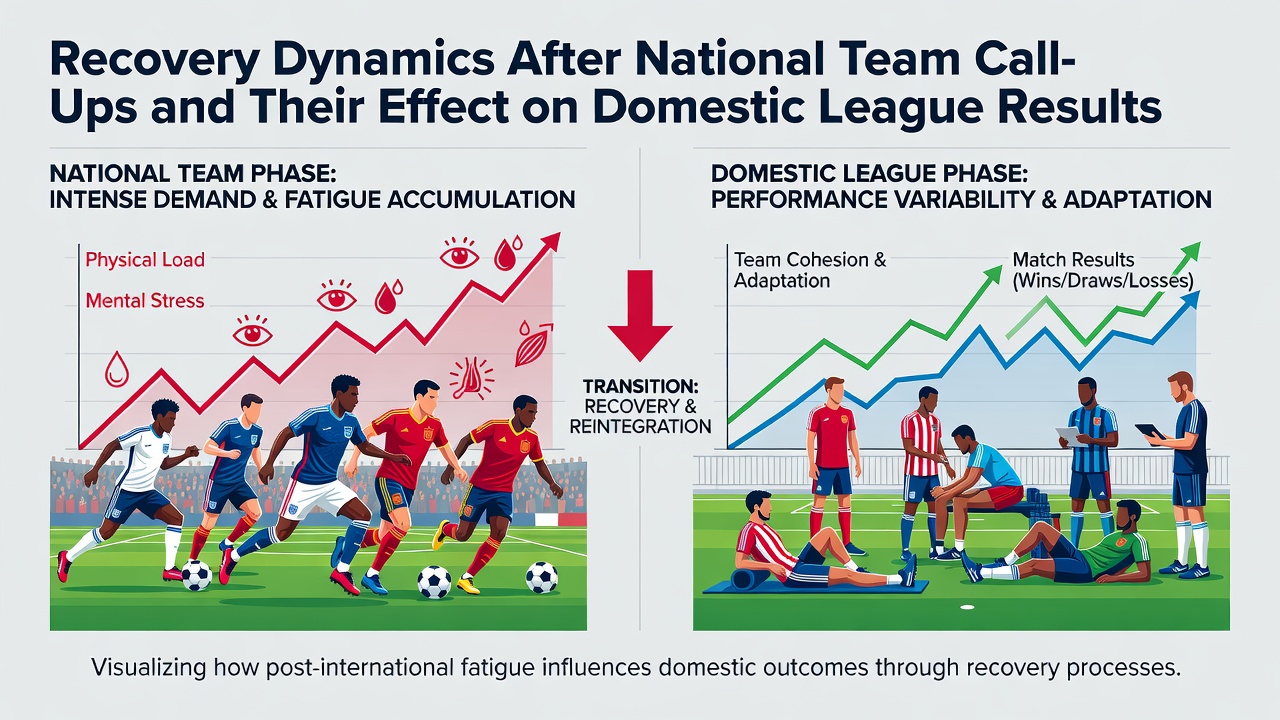
International breaks create distinct recovery challenges for players who represent their countries, and these periods often influence how clubs perform once domestic leagues resume. Data from major European competitions shows measurable shifts in results during the weeks after players return from national team fixtures, particularly when travel distances and match loads increase.
Understanding Recovery Timelines After Call-Ups
Players selected for national teams frequently face compressed schedules that include travel across multiple time zones, high-intensity matches, and limited rest before rejoining their clubs. Research from sports science institutions indicates that full physiological recovery from such demands typically requires between five and ten days, depending on individual fitness levels and the nature of the international schedule. Clubs in leagues such as the Bundesliga and Serie A have tracked these patterns over multiple seasons, revealing that teams with several players returning from duty tend to record altered win rates in the immediate follow-up fixtures.
June 2026 stands out because the FIFA World Cup approaches in the United States, Canada, and Mexico, which means qualifying matches and preparatory camps will cluster around that period. Observers note that clubs releasing players for these obligations encounter shorter preparation windows once the international calendar concludes, and this compression affects training intensity and tactical cohesion upon return.
Performance Data Across Domestic Leagues
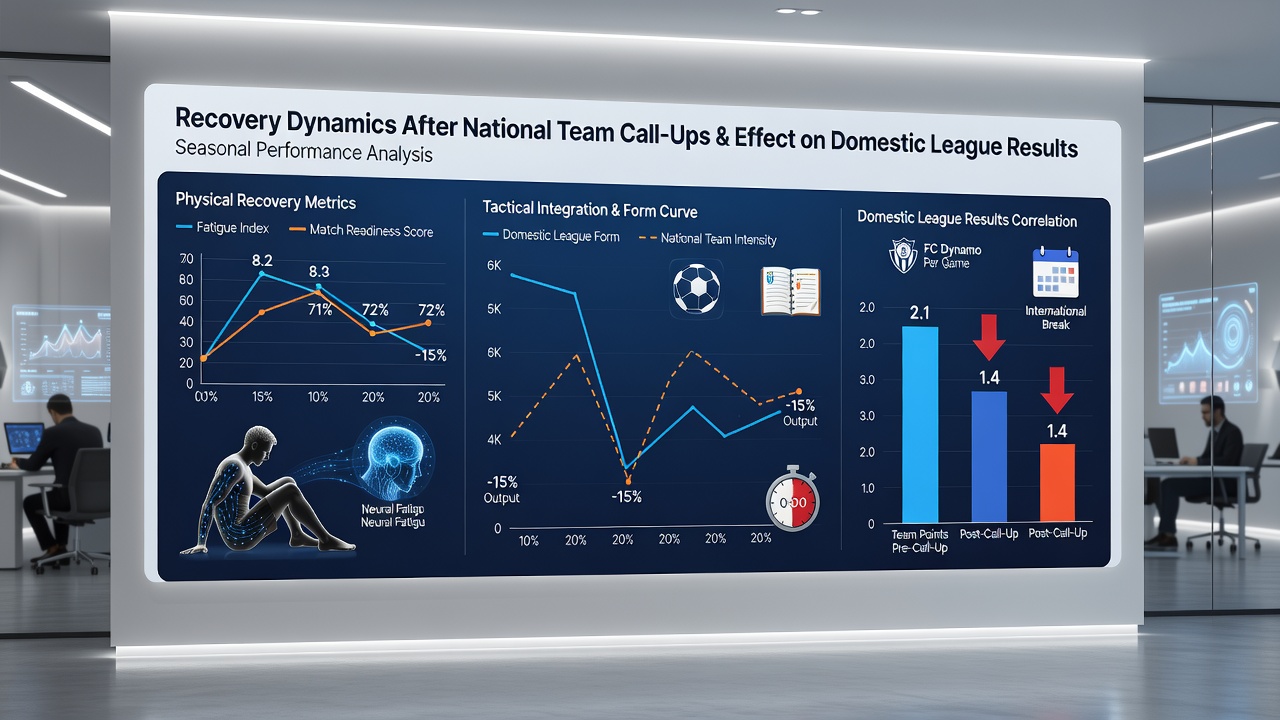
Statistical reviews of matches played in the weeks following international breaks demonstrate consistent trends. Teams missing multiple starters for extended periods sometimes experience dips in both goal-scoring output and defensive organization, while squads that integrate returning players effectively often maintain or even improve their points-per-game averages. Figures compiled by league analytics departments show that the Premier League and La Liga record average goal totals that fluctuate by roughly 0.3 goals per game during these transitional rounds, a variation attributed partly to fatigue and partly to disrupted training routines.
Travel and Fixture Congestion Factors
Long-haul flights represent one of the primary stressors, and data collected by European club medical staffs highlight elevated markers of muscle damage and reduced sleep quality among players crossing continents. When these athletes step into domestic fixtures within four days of landing, performance metrics such as high-speed running distance and pass completion percentages decline measurably compared with non-traveling teammates. Leagues that schedule midweek rounds shortly after international windows therefore see wider margins in some results, as fresher squads capitalize on opponents still regaining match sharpness.
Club Strategies and Medical Protocols
Coaching staffs have developed targeted recovery programs that combine individualized training loads, nutrition adjustments, and monitoring technology to accelerate readiness. Clubs that employ GPS tracking and heart-rate variability assessments report faster restoration of baseline performance indicators, allowing them to field competitive lineups despite recent call-ups. In contrast, teams without such resources sometimes rely on squad rotation, which can dilute attacking threat or defensive structure in the short term.
One study released by a sports performance laboratory at an Australian university examined recovery windows across five major leagues and found that clubs implementing structured post-travel protocols reduced injury incidence by approximately 12 percent during the subsequent domestic block. Similar findings appear in reports issued by the Union of European Football Associations medical committees, which emphasize the value of load management during congested periods.
Case Examples From Recent Seasons
During the 2024-2025 campaign, several Bundesliga sides that lost key midfielders to national team duty recorded lower pass accuracy in the first two league games after the break, yet recovered their averages by the third match. Parallel patterns emerged in the Eredivisie, where teams balancing multiple international absences sometimes posted higher draw percentages rather than outright losses. These outcomes illustrate how recovery dynamics translate into concrete result variations without guaranteeing uniform effects across every club.
What's interesting is that goalkeepers and defenders often display quicker return-to-form timelines than attackers, whose decision-making under fatigue shows greater variability according to positional data sets. This distinction helps explain why clean-sheet rates sometimes stabilize faster than goal tallies in post-break rounds.
Broader Implications for League Scheduling
Governing bodies continue to examine how international calendars intersect with domestic commitments, and adjustments to fixture lists have been tested in various territories. Canadian and Australian soccer federations have published position papers advocating staggered release dates for players based on travel distance, aiming to mitigate the sharpest edges of recovery pressure. Such measures reflect ongoing efforts to balance national team requirements with club welfare across different regions.
Conclusion
Recovery dynamics after national team call-ups produce measurable effects on domestic league outcomes, driven by travel demands, fixture density, and the effectiveness of individual club protocols. Data from multiple leagues and research groups demonstrates that these influences appear consistently yet vary in magnitude according to squad depth and preparation quality. As the 2026 calendar intensifies with major tournament activity, the intersection of international duty and club performance will remain a focal point for analysts tracking result patterns across competitions.