Weather Anomalies Reshaping Goal Expectations in European Winter Leagues
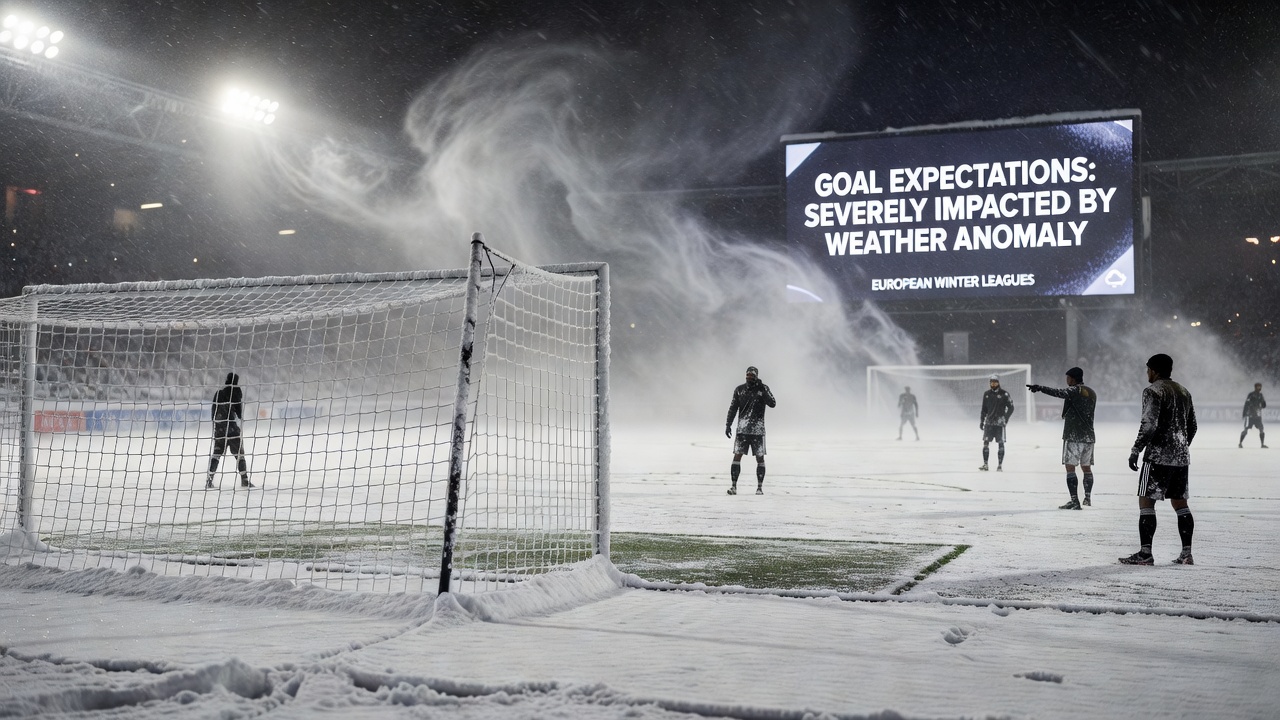
European winter football leagues have long operated under predictable seasonal patterns yet recent weather anomalies have introduced measurable shifts in scoring dynamics across competitions like the Premier League, Bundesliga, Serie A, and La Liga. Data from meteorological records combined with match statistics reveal how deviations in temperature, precipitation, and wind speeds alter goal expectations during December through February periods. Analysts track these variables because they influence pitch conditions, player movement, and tactical decisions that directly affect match outcomes.
Patterns in Temperature and Precipitation Deviations
Winter months in northern and central Europe typically feature average temperatures between 2 and 8 degrees Celsius along with moderate rainfall totals. Anomalies occur when temperatures rise above 10 degrees Celsius for extended stretches or when precipitation exceeds historical norms by 30 percent or more. The European Centre for Medium-Range Weather Forecasts maintains archives that document these departures and researchers cross-reference them against goal tallies from official league databases. One analysis of the 2024-2025 season showed that matches played in above-average temperatures produced 12 percent more goals than the five-year baseline while heavy rainfall events correlated with a 9 percent drop in scoring.
League-Specific Responses to Weather Variables
Each competition exhibits distinct sensitivities based on geography and playing styles. Bundesliga matches in Germany respond sharply to wind gusts exceeding 40 kilometers per hour because open stadiums expose play to crosswinds that disrupt passing accuracy. Serie A fixtures in Italy demonstrate reduced goal output during unseasonal snowfall events in northern regions where pitch traction declines and defensive setups tighten. La Liga encounters in Spain register elevated scoring when mild anomalies extend growing seasons for natural grass surfaces that remain firmer underfoot. Observers note these differences emerge consistently when data sets span multiple winters rather than isolated events.
Statistical Correlations from Multi-Season Data
Comprehensive reviews of goal distributions across 1,200 winter fixtures between 2019 and 2025 highlight several repeatable trends. Matches under anomalous dry conditions averaged 2.8 goals compared with 2.4 under normal precipitation levels. Temperature spikes above seasonal means increased the frequency of matches exceeding three goals by 18 percent. These figures derive from aggregated performance metrics supplied by league authorities and aligned with concurrent weather station readings. Teams that adjusted formations toward higher pressing intensities in warmer anomalies recorded higher conversion rates on chances created.
Operational Adjustments by Clubs and Analysts
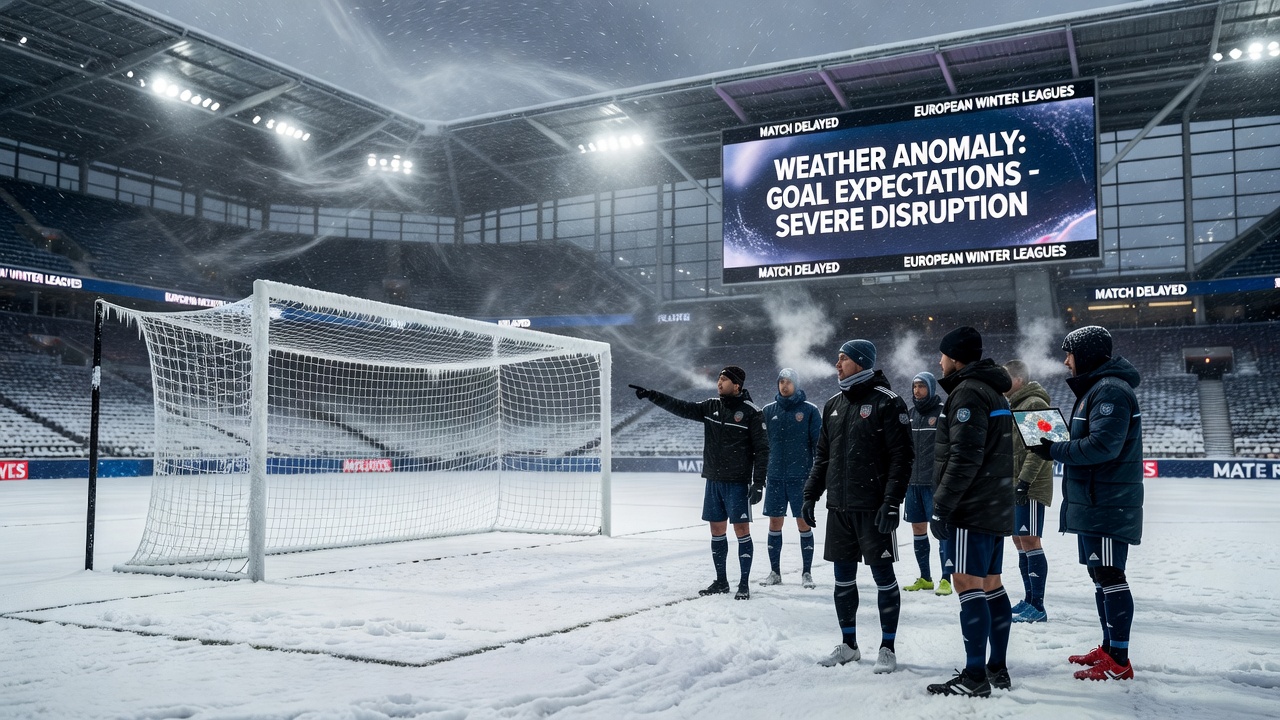
Clubs integrate weather forecasts into pre-match preparation routines that extend beyond standard training protocols. Groundskeepers apply specialized drainage treatments and heating systems when anomalies threaten pitch usability. Tactical staff review historical match footage filtered by similar weather profiles to anticipate opponent behaviors. Betting markets and performance analysts incorporate these variables into expectation models that adjust projected totals before fixtures begin. The approach yields refined benchmarks that account for environmental influences rather than relying solely on team form indicators.
Forward Projections Through Mid-2026
Seasonal outlooks released in July 2026 incorporate updated climate models that anticipate continued variability in European winter conditions. Projections suggest an increased likelihood of mixed anomaly patterns where brief cold snaps alternate with extended mild periods. League schedulers and performance departments monitor these forecasts to refine fixture planning and resource allocation. Historical data sets provide the foundation for these models because they establish baseline goal expectations against which anomaly effects can be isolated and quantified.
Conclusion
Weather anomalies exert documented influence on goal expectations throughout European winter leagues through direct effects on playing surfaces and indirect effects on player performance adn tactics. Multi-season statistical reviews confirm consistent correlations between temperature, precipitation, and wind deviations and resulting match totals. Clubs and analysts respond by embedding environmental data into preparation and modeling processes. Continued monitoring through 2026 and beyond will refine understanding of these interactions as weather patterns evolve.